
Shell collecting on Sandbridge Beach is among the most pleasant pastimes on vacation. Not only is it relaxing, but also rewarding when you find that special treasure. With a little bit of luck (and a helping of science), you can increase your chances of finding the best seashells.
Whether you're vacationing solo or on a Virginia Beach family vacation, strolling the shoreline in search of unique seashells is a peaceful way to connect with nature and create lasting memories!
Here are our tips on the best times to find seashells in Sandbridge Beach, and what types of shells you're likely to see.
Best Times to Find Seashells
On any day, shelling is best at low tide. Sandbridge Beach, located just south of Virginia Beach, has a relatively mild tidal range, with water rising between three and six feet, depending on the lunar cycle. The tide cycles twice a day, with six hours separating low tide and high tide.
Planning your shelling time around these natural rhythms can greatly improve your chances of finding beautiful treasures along the Virginia Beach coastline.
Want to boost your shell-finding mojo? Look for them during low tide when there is a full or new moon lunar phase. Full moons cause higher tides and stronger currents, which can dislodge large shells, from the seabed and wash them ashore. If there will be a full or new moon during your Sandbridge Beach vacation, plan your shell-collecting trip near low tide on those days.Though you won't be able to plan for it, after a storm is also a great time to go shell hunting. Storms can cause strong waves and currents that wash greater quantities of shells onto the beach. After a storm is a wonderful time to walk the beach and handpick the large shells, sand dollars, and more that are easily churned up.
Types of Shells in Sandbridge Beach
Sandbridge Beach is known for its variety of seashells, from whelks and olive shells to rare finds like the Scotch Bonnet. These natural treasures are part of what makes a Virginia Beach vacation so special.
If you're looking for things to do in Virginia Beach beyond the boardwalk, shell hunting offers a quiet, meaningful experience that’s perfect for all ages. And it's a good opportunity to bring something special back home with you!

Whelks
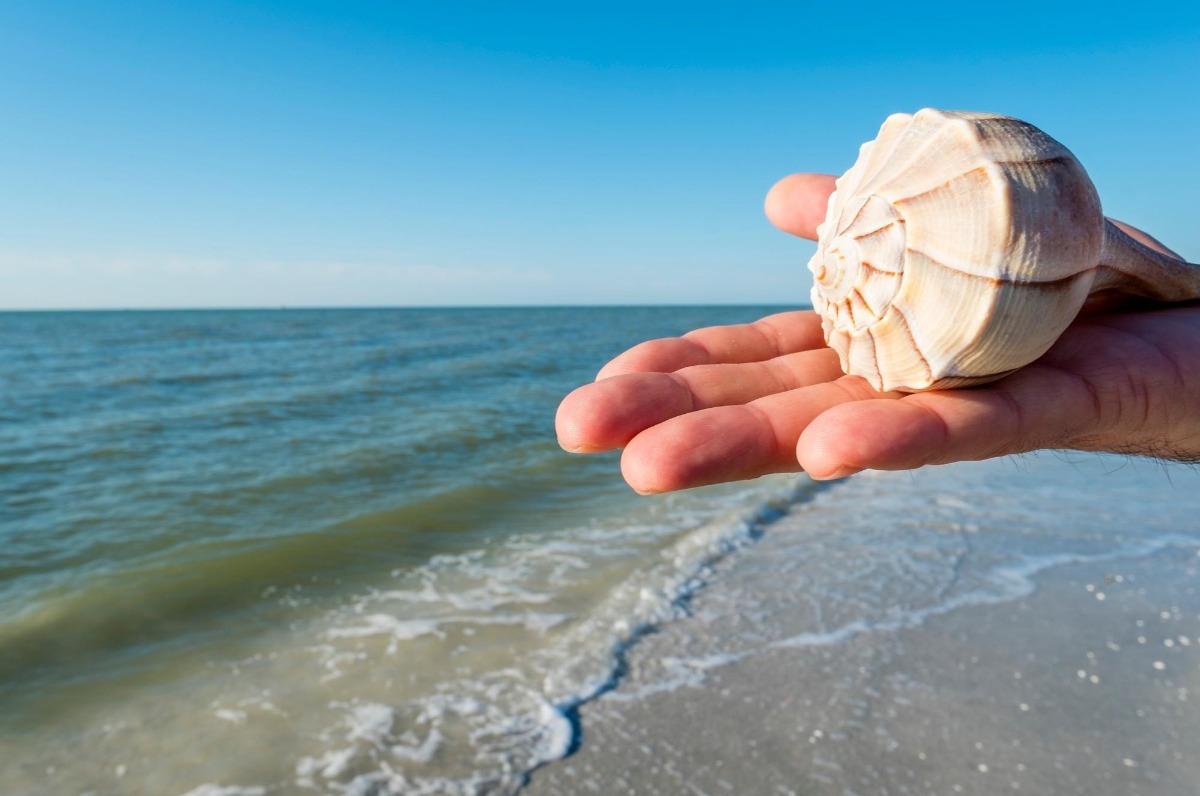
Sandbridge Beach combers will find a variety of whelks, including knobbed whelks, channeled whelks, and lightning whelks. Telling one whelk species from another is fairly easy: In lightning whelks, the aperture or opening is on the left (think "L" for "lightning"). Knobbed whelks have knobby protrusions on the top, just as their name suggests. Channeled whelks have a dainty appearance, almost like the spiral of a cinnamon roll.
Scotch Bonnet
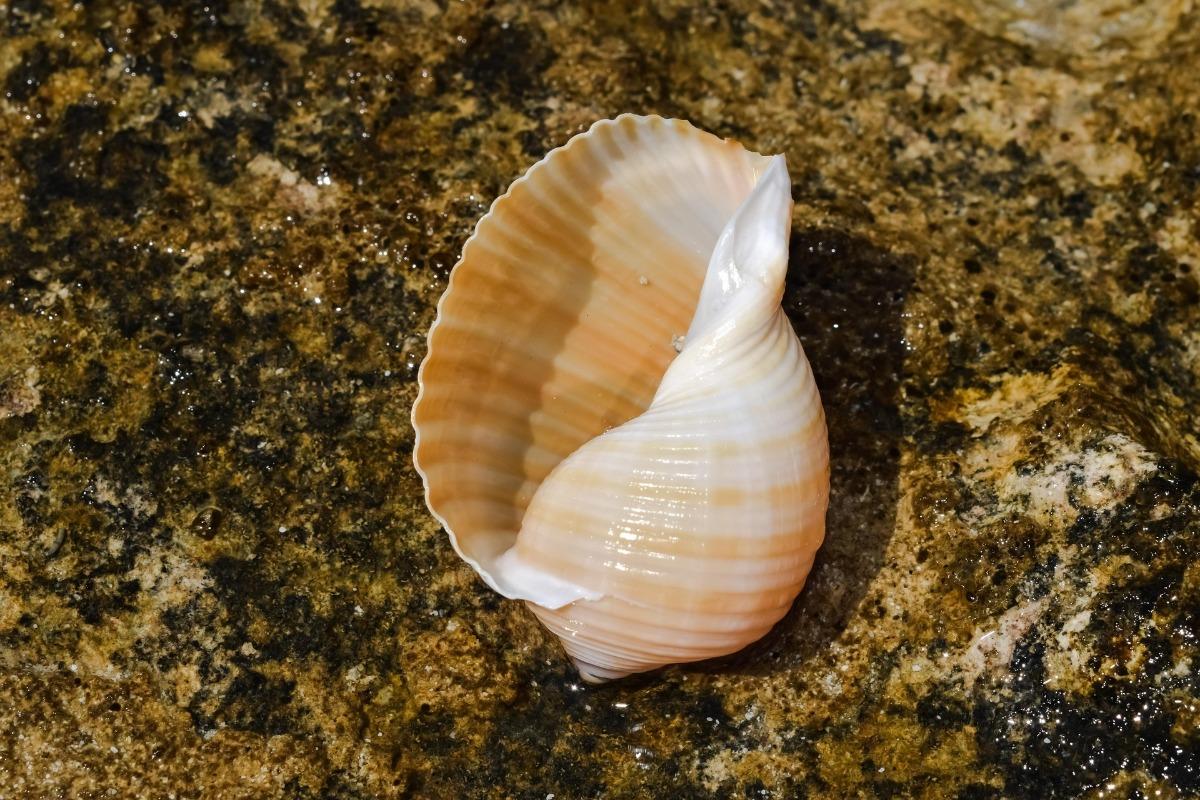
The rare Scotch Bonnet is the most-prized shell find on any East Coast beach. This small shell looks like a cone with a fat middle. Because it's only about 2" long, you'll need to keep a sharp eye out as you walk the beach. If you find one, it's worth celebrating!
Olive Shells
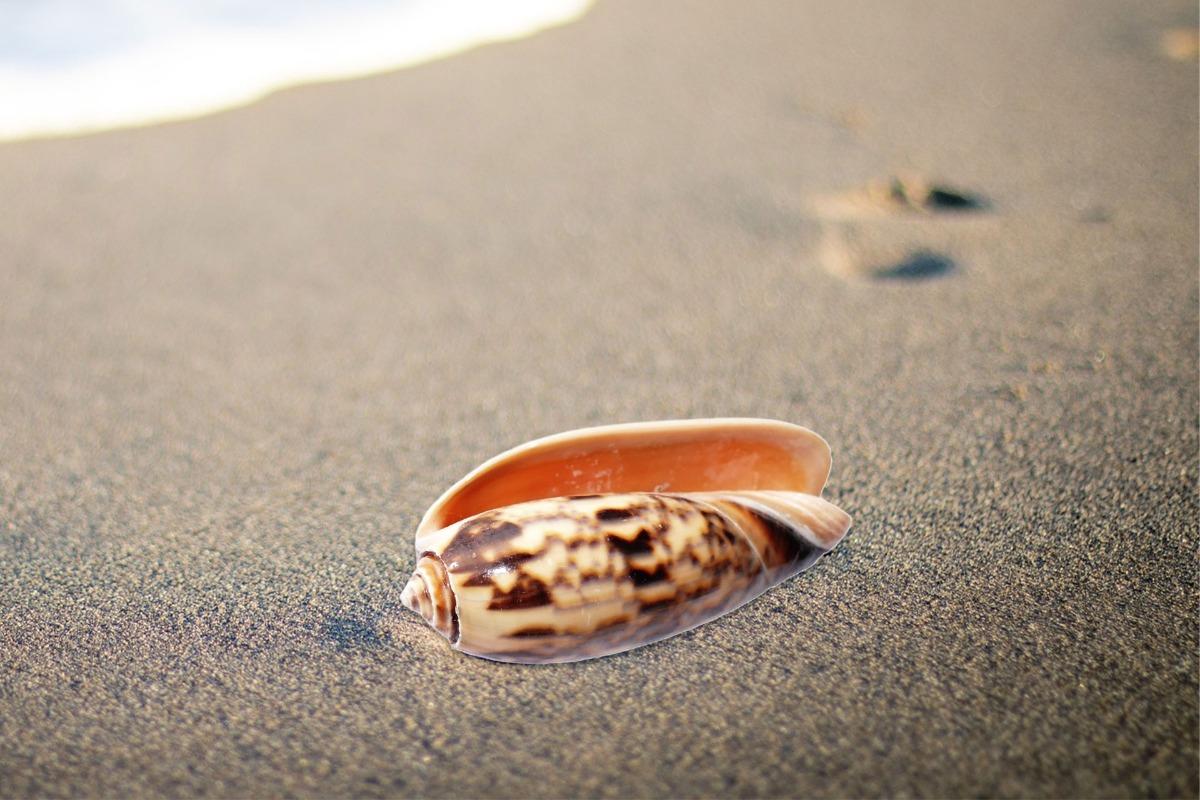
Olive shells are somewhat rare, though a dedicated comber has a good chance of finding at least one. Olive shells are small, about 1" to 2" in length, and look like rolled tubes. If you find one, look closely at the intricate patterns.
Other Shells Found at Sandbridge Beach
Many other types of shells are common, but no less fun to find. Look for large, smooth clam shells, which locals call "quahogs," and use them as soap dishes or bedside jewelry caches. Jingle shells are small, shiny, circular shells that reflect the sun like mother-of-pearl.
Moonsnail shells are about the size of a quarter and look like a traditional snail shell. Oyster drills appear to be tiny conch shells with fancy ribs and patterns. You may also find razor clam shells, scallops, slipper shells, sundials, surf clams, tulip shells, angle and turkey wings, wentletraps, wormsnail shells, and pen shells while walking the beaches in Sandbridge.
Be Sure They're Vacant
It's very important to be sure any shells you collect are vacant. Seashells are home to marine snails, clams, mollusks, crabs, and more. If you pick up a shell and see that there's something living in it, gently place it back in the water.
The Sandbridge Beach ecosystem is fragile, like many in coastal Virginia Beach, and seashell-dwelling critters are an important part keeping it healthy.
You may find sand dollars, sea urchins, or starfish washed up on the beaches. Remember — it is illegal to collect them if they're alive. How can you tell? Gently pick them up, turn them over, and look for moving cilia (tiny hairs).For whelk shells or other shells that may contain mollusks, look inside the opening or gently place your finger in the opening to see if it's occupied.
Where to Look For Shells on Sandbridge Beach
The beach at Back Bay National Wildlife Refuge, nestled within the Virginia Beach area, is never crowded, so your chances of being the first to find sea goodies are higher. False Cape State Park is another excellent place to have a stretch of sand to yourself.
However, the northern ends of Sandbridge Beach, one of Virginia Beach’s best-kept secrets, have more shallow water, which means more shells.
Be sure to check carefully around any fallen trees that have washed up on the beach. Heavy objects can cause indentations where shells are trapped as they wash in on an incoming tide. Wherever you look, take a small sand shovel and carefully dig anywhere you see shells collecting.Shell hunting on Sandbridge Beach is one of the best ways to spend a morning or afternoon. To increase your chances of taking home a few sea treasures, have patience, check the weather and tides, and take in the beauty of nature.
Start Your Shelling Adventure with Sandbridge Blue
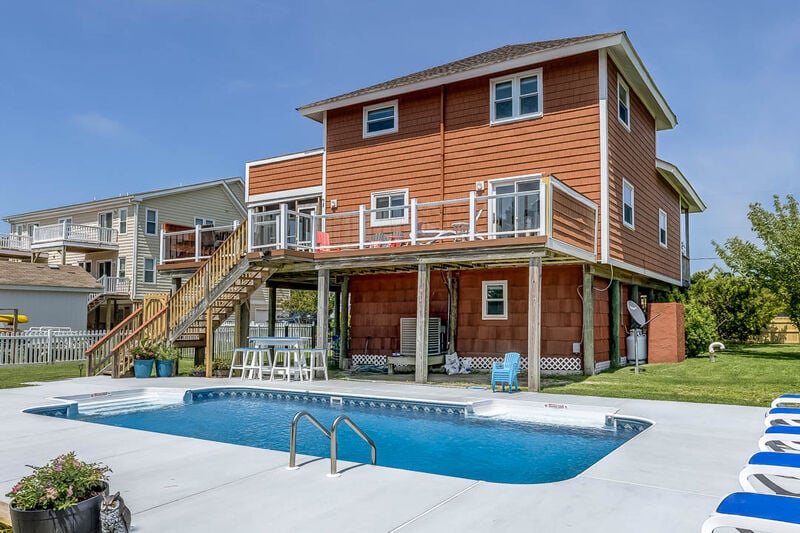
At Sandbridge Blue, we offer comfortable, oceanfront homes that put you just steps from the best shell-collecting spots on the beach. Whether you’re searching for rare Scotch Bonnets or enjoying peaceful morning walks at low tide, your perfect beach day begins right outside your door.
Book your stay today and make Sandbridge Blue your home base for a relaxing and rewarding seaside getaway!
1. What kinds of seashells can I find at Sandbridge Beach?
At Sandbridge Beach, you can find a variety of beautiful shells including Scotch bonnet shells, olive shells, whelks, cockles, and augers, especially after high tides or following storm activity.
2. When is the best time to go shelling at Sandbridge Beach?
The best times for seashell hunting are early morning after high tide or after a storm, when the waves have shifted shells closer to shore and before beachgoers arrive.
3. Do I need any special tools to find seashells?
No — most shell hunters simply use a bucket and a keen eye, but tools like a sand sifter or small hand rake can help you find shells hidden just under the sand.
4. Are there any rules about collecting shells on Sandbridge Beach?
Shell collecting is generally allowed on Sandbridge Beach, but be mindful of local wildlife and nesting seasons. Always avoid disturbing live creatures and follow any posted guidelines.
5. Where on Sandbridge Beach should I look for the best shells?
Great shelling spots include near the waterline after high tide, around sandbars, and in quieter areas toward the north and south ends of the beach, where foot traffic is lighter and natural shell deposits pile up.